

On the Island of Culebra, known for its gorgeous beaches and natural beauty, we slept on the floor of someone’s house. After meticulous planning, our Air BNB host double booked our apartment, and even though she was off the island, she offered to let up sleep in her house. It was late at night, we were hungry and we simply didn’t have a choice - so Dave, my 3 kids, and myself slept on the floor.
This might not be what you think of when you think about having adventures with kids - you might be thinking of an epic ski day or long hike - but many of the best adventures we’ve had as a family are when things go wrong.
When we talk about our visit to Puerto Rico. My kids remember the bioluminsecent bay, and sleeping on the floor. So how do we intentionally create moments that build up our kids?
Most of my weekly writings focus on epic places and destinations, but today I am diving deeper into parenting and why we prioritize adventure and travel as a family. What may look like a family exploring epic places on a whim is actually a somewhat strategic attempt at building resilient, curious, and whole humans. In many ways, it is the most important thing we can do for our kids in today’s world.
For those who don’t know me - this is something I am passionate about and in addition to prioritizing adventure for my own kids, I’ve also worked for many years in the outdoor edcuation world helping to run and create programs that get kids outside experiencing the world.
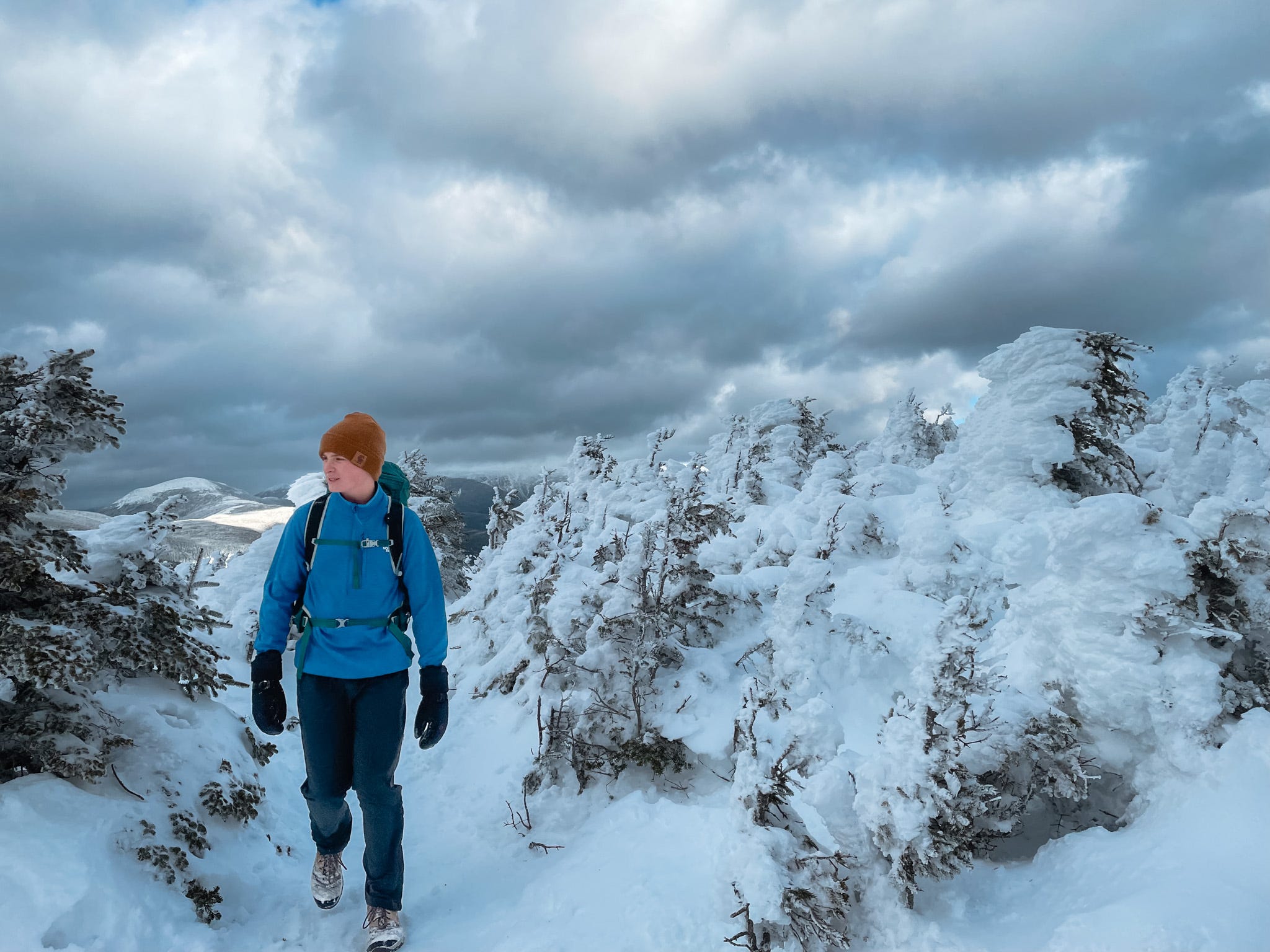
Why Kids Need Adventure
I would consider our family active, involved, committed - in other words ‘busy.’ But when I stop and look at our day to day life, I am often struck with the incredible sameness and oftentime blandness of our day to day life at home.
There is the rush to get everyone going and to school and work, the log of household tasks to keep us fed, clean, and dressed, the many hours of school, work, sports, clubs, violin practice, dinner prep, showering, bedtime, driving, pet walking, exercising - you get the point.
As an adult, I vascilate between taking refuge in these routines and feeling contained by this day to day life. There are incredible moments in each day and immense gratitude in the privledge of many of these daily tasks. But at the end of a week of ‘busy’ I’m often left feeling flat. I can feel myself yearning for the things that make me feel fully alive - and this is increasingly hard to find in the day to day life.
For kids, this sameness has many benefits. They are given the time and space to build habits, learn, practice skills and more. They can feel the safety of consistency. But this also has it’s risks. There is extensive research and learning around the importance of play and time in nature for younger kids, but as kids age, their play is taken up with more and more structure, and as a society we are moving further and further into this pressure.
Not that kids are the ‘same.’ But I mean that our day to day life is increasingly stationary and static. Yes - screens are a huge part of this and many days we fall victim to being tired at the end of the night and reaching for another screen. Screens aren’t the entire problem (although I will launch into that another day) but the problem for kids is the comfort and ease in using a screen. It is much safer to get your dopamine hits in small bursts from your screen than with the effort of risk and exertion when you aren’t using a screen.
For older kids (ages 5 right up through teenagers) an element of adventure is missing from daily and yearly life. Another way to frame it is that we’re removing risk. Of course we’re not - it’s still risky for teenagers to drive a car but the type of risk I’m talking about comes with trying something new - climbing a mountain, trying to order food in a different language or even spending a night without cell service in a remote campground with only your parents (eek).
Kids need risk to find themselves. You can immerse yourself in your day to day life and hide in the comfort of your screens and routines, but to know yourself - both what you are capable of and were your limits are - you need to get out there - explore, try, and take risks. Providing opportunities for risk and adventure is one of the best things you can do as a parent. I want my kids to feel the discomfort of pushing themselves so when they are faced with other risky behaviors and decisions - they can put this into context. Risk isn't simply positive or negative; it just means an action or behavior with an uncertain outcome.
The other day I was driving and one of my kids asked about my day. I was trying to be positive but I had recently driven into the garage and knocked my door off the van and was feeling a bit defeated. She came out with “remember you always say mom - it’s easy to be calm and good when things are easy, it’s how you act when things are hard that counts.”
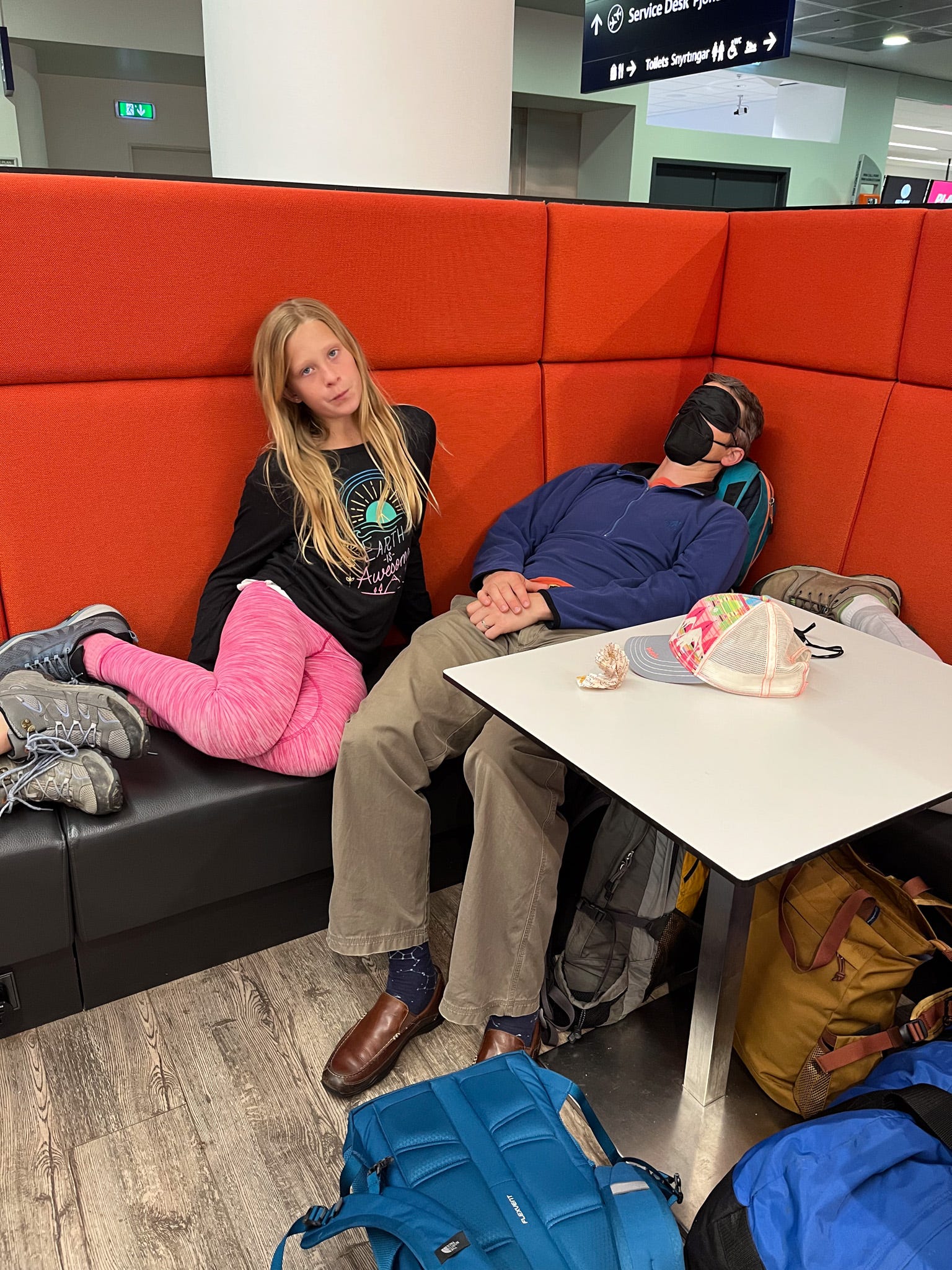
I love it when kids remember nuggets and throw them back at you at the perfect moment, but the point is there - we don’t know our capacity until we put ourselves under strain or challenge. If the biggest obstacle in our kid’s live is whether they can get a ride to meet up with a friend than how will they react when they are stuck in an airport for the night with no hotel and need to sleep on the floor?
What Happens When Kids Have Adventures?
Think back to your own childhood. What are the core memories. Many may be around embarrasing moments, holidays, and yes - adventures. So what happens when we provide our kids with adventure? Here are just a few things:
They Build Connections
We spend lots of time with our kids - but our moments of true connection come when we are faced with overcoming challenges or experiencing those ‘wow’ moments together.
Last year we had a 2 week trip planned to visit a few National Parks in Western US. On the morning of our flight, we recieved the dreaded update that our flight was canceled but we were rebooked for the next day - this flight was also canceled and so was every flight going forward. It ended up taking us 6 days to fly from Boston to Seattle and we ended up spending nights in Chicago and Denver.
It was frustrating, but the whole time it felt like a challenge we were all overcoming. One year later looking back on that trip, my kids remember the week at Glacier and Rainier, but what they really remember and reflect on was the 6 days we spent trying to get across the country.
For my teens, this has become a foundational memory and we often laugh about it together.
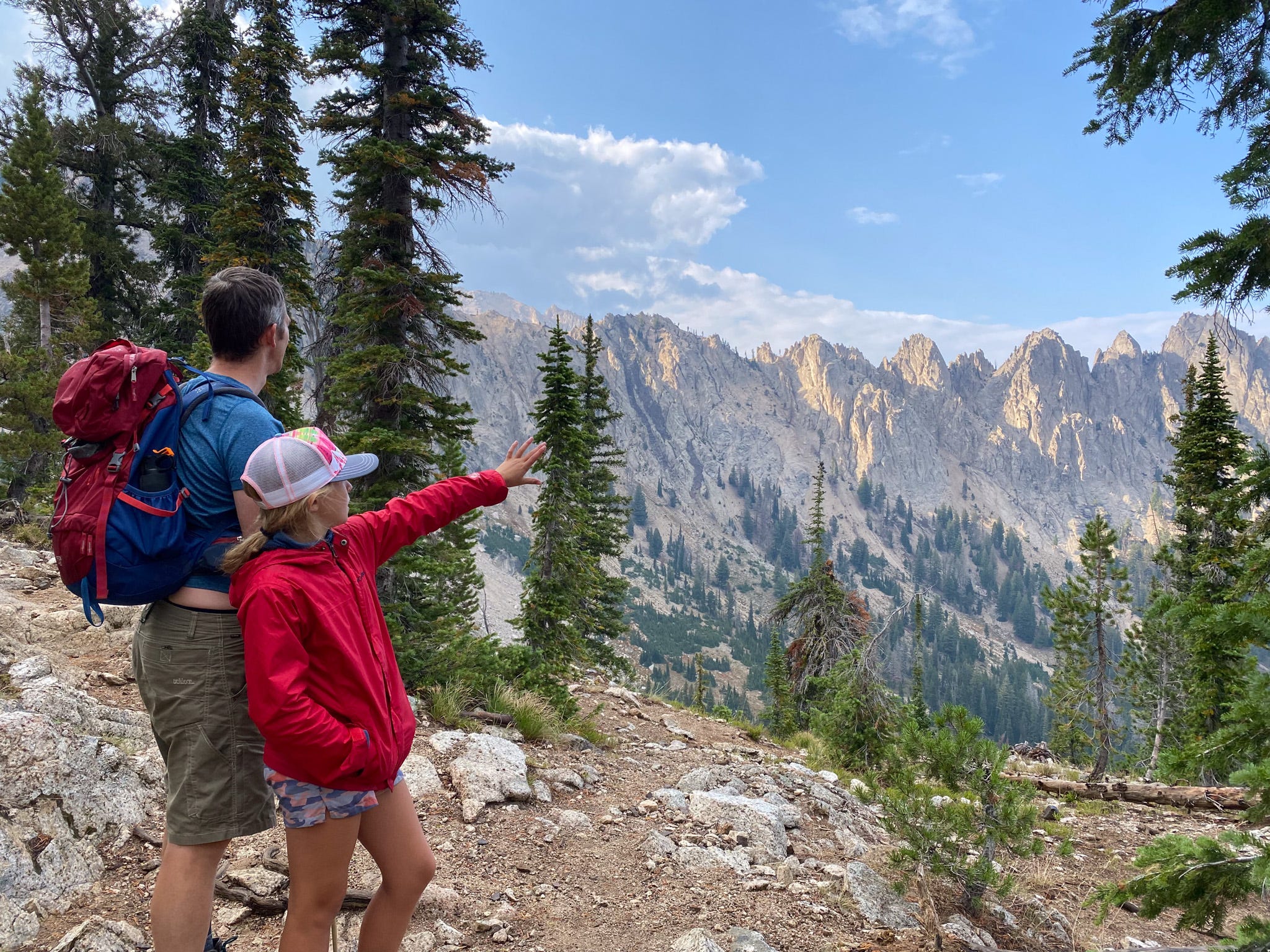
They Develop Limits
Living in New Hampshire, we constantly hear stories of underprepared hikers attempting to climb the seemingly small White Mountains. These mountains may be much smaller that other ranges, but they are hard, steep, and have seriously bad weather quite often.
Many of the people who need rescuing are not experienced hikers who overestimated their abilities. The only way to know your abilities is to gain experience in the first place. Kids need to know what they are capable of in order to know when to run around or when to say I need to get sleep, or I shouldn’t eat that.
They Gain Confidence
42% of high school students have had persistent feelings of sadness or hopelessness (Centers for Disease Control and Prevention). This is a significant increase since 2011, and can be related to self confidence. Teens with low self-esteem have more social problems, partly because they interpret interactions negatively.
When you ask your kids what they are proud of, what do they say?
Building confidence is tricky since it needs to come from the individual, but providing kids with opportunities to fail and succeed is one step towards building confidence. Having to work through obstacles and tackle adventures can help to boost kid’s confidence.
When our kids are struggling with something - this isn’t the time to double down on their life - it’s the time to seek something new.
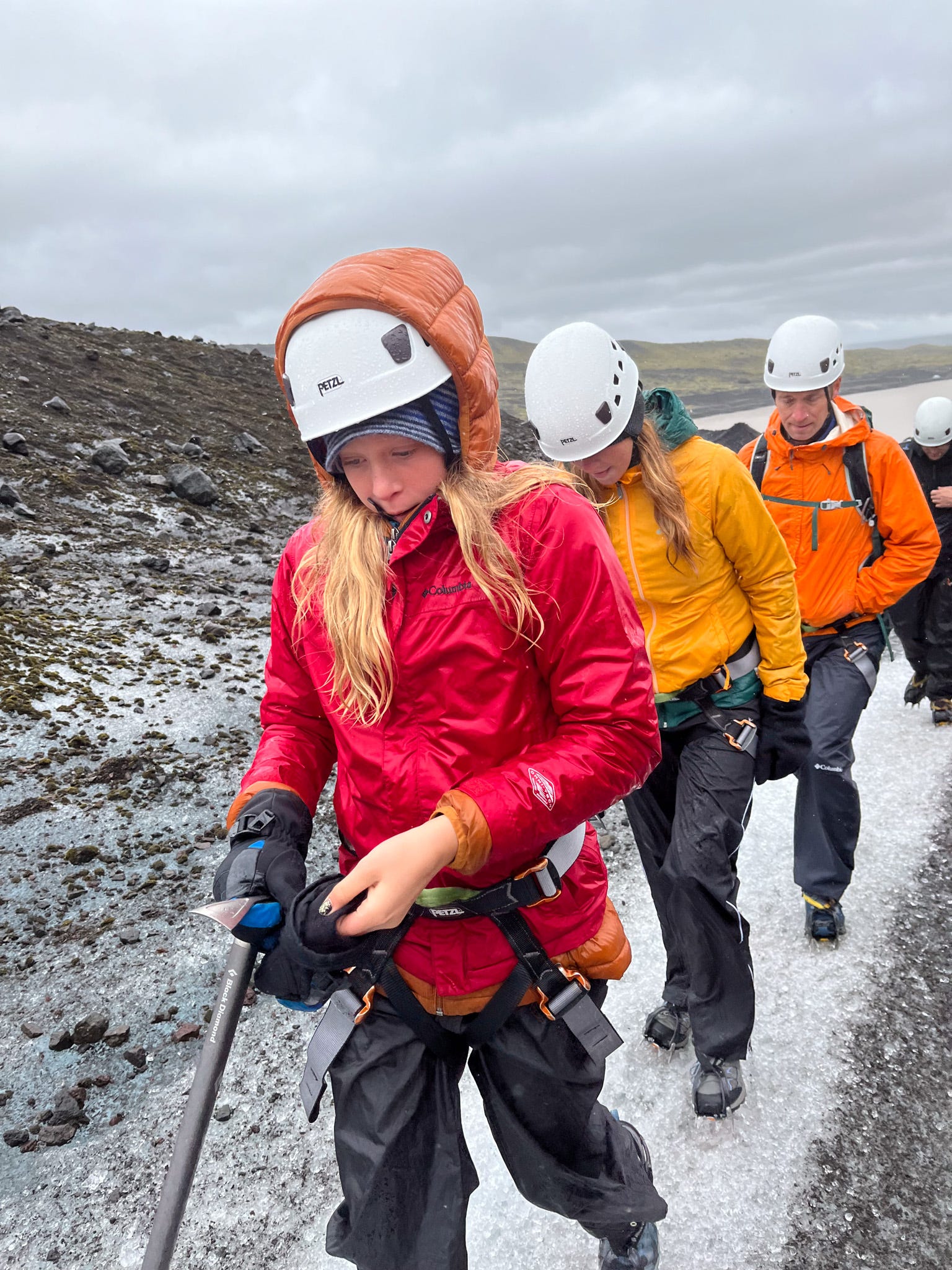
They Develop a Sense of Self
One of the defining processes of childhood and especially the teensyears is developing a sense of who you are as a person. This can be obvious things - like you know that you like basketball or you want to be an architect, or more subtle - like you understand that you thrive when you have routines and structure in place.
If kids develop their sense of self in a small-closed environment surrounded by the same people, the same place, and the same phone, they are never given the opportunity to understand all the truly amazing parts of their self.
Maybe your kid has a hidden passion for photography, but they don’t realize it until they visit an art show. Or maybe they discover the joy of talking to people in another language and it redefines who they are.
Challenge yourself and your family to get out of their comfort zone - explore new places, try new food, experiment with new skills, and try hard things. Even adults benefit from redifining their own self.
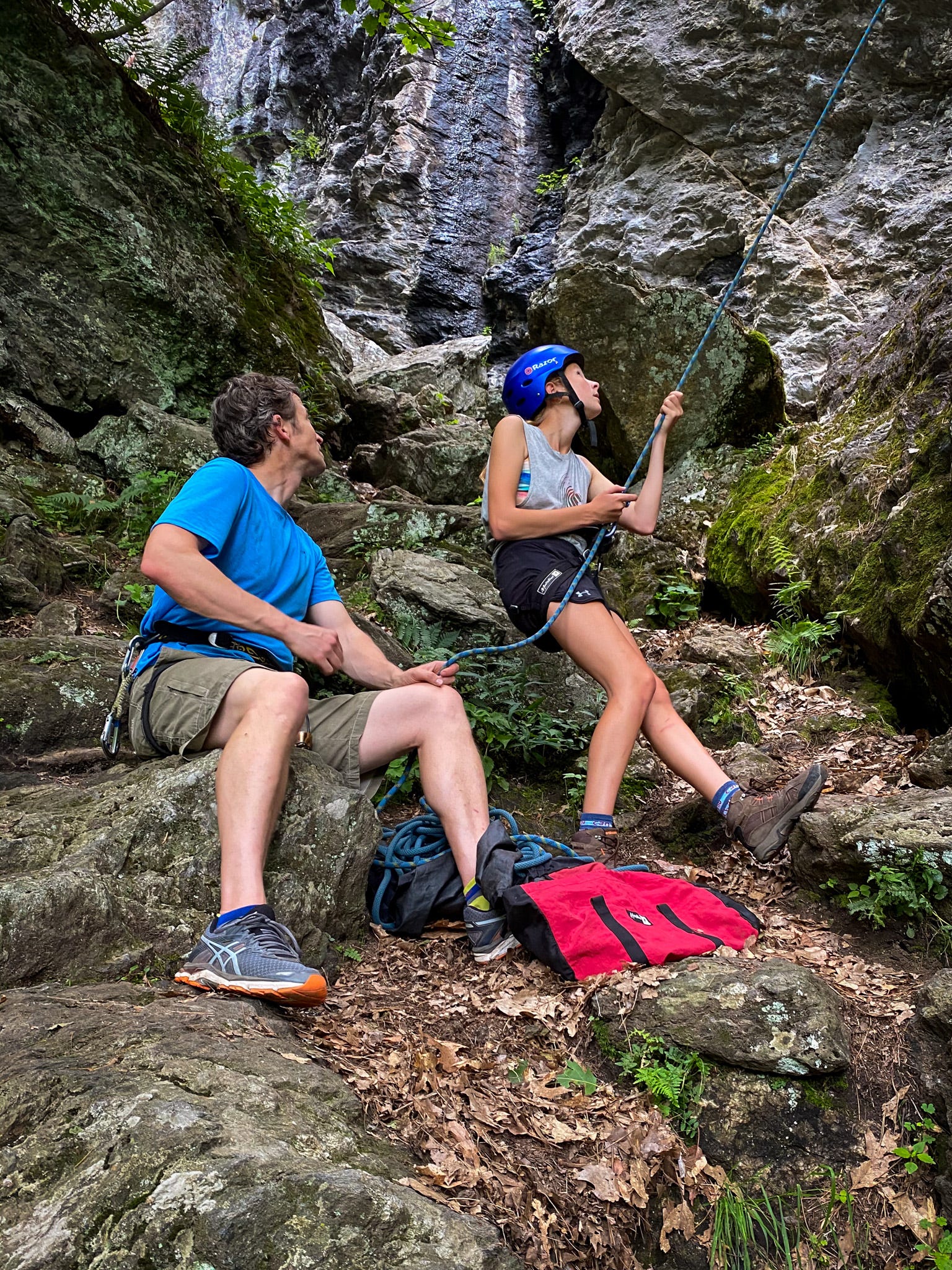
Ideas to Get your Kids out for Adventures
We’ve prioritized adventure as much as possible although we still have plenty of room for improvement. It’s important to note that there is space for adventure reguardless of your situation - you don’t need to travel across the world for adventure - there is a very good chance you are overlooking adventures near your home. You can see a list of ideas at Chasing ADVNTR.
Here are just a few things you might want to consider.
Be a good role model – adults need time outdoors too, and your teen is more likely to see the importance of getting out for adventure if they see the adults around them valuing that experience. Getting teens outdoors with other teens is often easier as well so invite their friends along!
If adventuring is a priority for your teen and family, you may need to limit other commitments and schedule fun activities in advance so you actual find the time
Come up with an epic adventure to get started - choose something hard that is right at the edge of your comfort zone.
Let your teen decide how to spend time outdoors – if you are doing all the work, your teen is less likely to fully engage and you are doing less to promote the lifelong goal of spending time outside
Set a time limit on technology for each day or week, or make part of the day screen-free for in your home. This forces your kids to get a bit more creative with their time. You might not be popular for this but do it anyway!
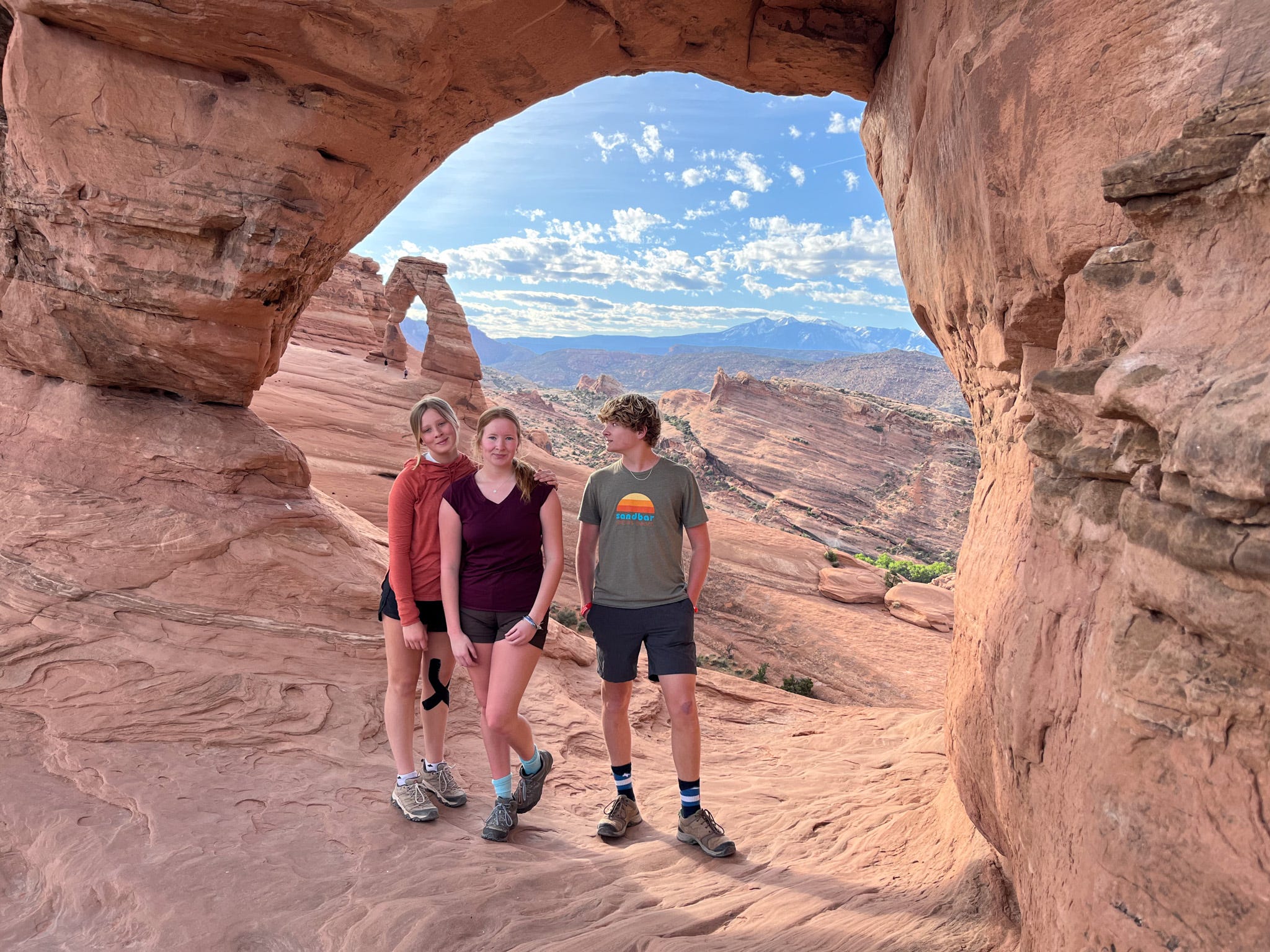
Read more about how we save money and budget for trips.
Did you like this post? I’m considering whether folks might be interested in more articles about prioritizing adventure with their kids. Drop me a note or comment and let me know if this content is something you might want to read more about!
Have fun out there,
Gretchen
My children are very small, but I'll be sending this to my friend with teens, I think it could really help her! Thank you!